Discover The Power Of
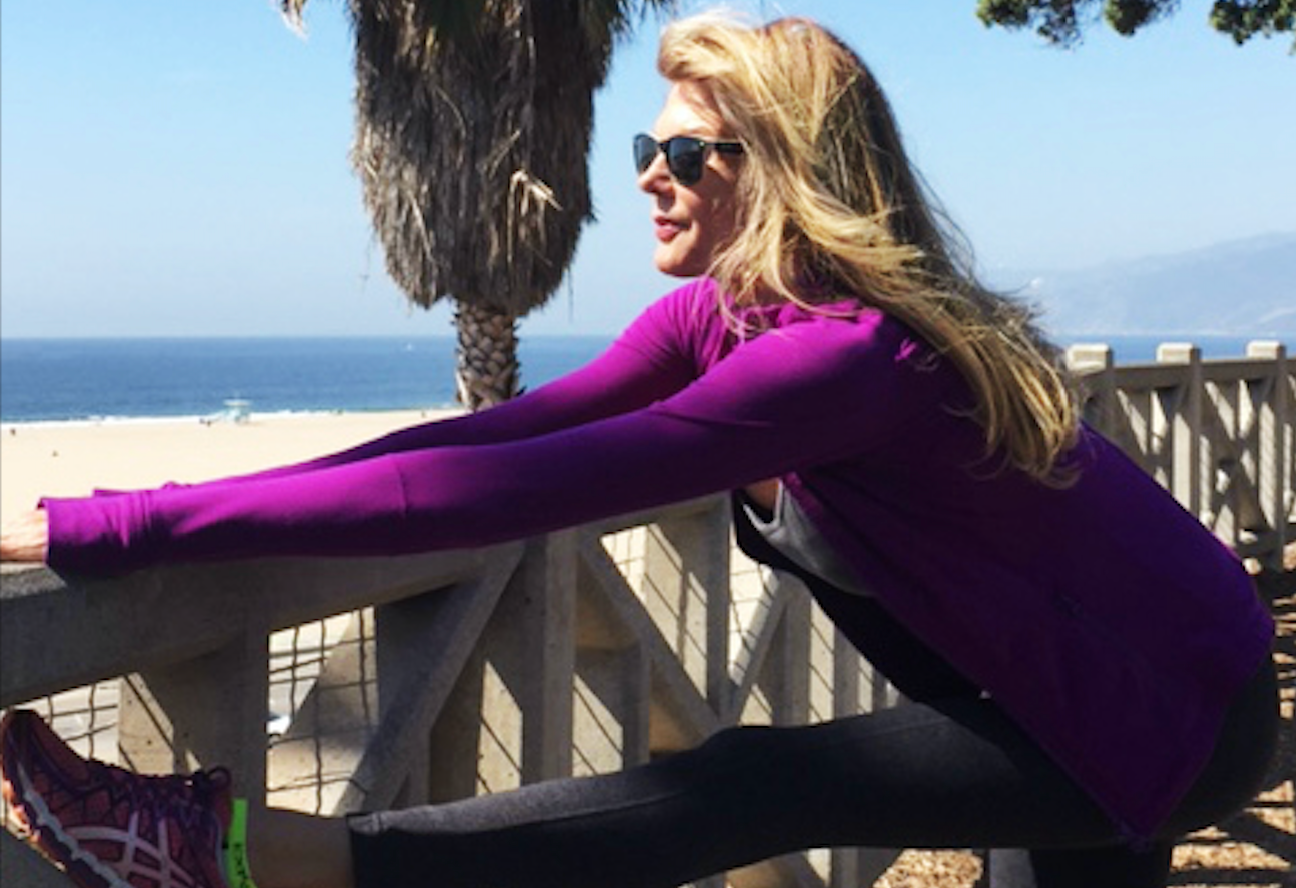
Stress can be incredibly damaging. Overexposure to cortisol disrupts the body’s natural processes, increasing risks like obesity and inflammation. While the stress response helped ancestors survive threats, it’s now triggered by modern stressors like deadlines and taxes. The impact extends beyond physical issues to mental health problems like depression.
Clearly, implementing stress shields to manage stress is crucial for overall well-being. Stress shields are strategies and practices that you can use to protect yourself from the harmful effects of stress.
One powerful stress shield is a multi-sensory walk. Simply pick a sense (sound, touch, smell, sight, taste) to pay attention to during your walk, or move through each one as you go, spending a few minutes noticing what you hear, then what you smell, then what you see. That deliberate attention to your surroundings is mindfulness in its most practical form…. it settles the nervous system and gives you a quieter place to start your day from.
5 Ways to Make Your Walk Multi-Sensory
Most of us walk through the world half-asleep to it. We look at our phones, run through our to-do lists, and arrive somewhere without really experiencing the journey. A multi-sensory walk asks something different of you. It asks you to slow down and actually show up.
Here’s how to do it.
1. Listen past the obvious. Most of us walk around filtering out the quiet details without realizing it. Instead, notice the snap of a branch somewhere ahead on the trail. Water moving over rocks, close or distant. Wind working through a pine canopy sounds. On a neighborhood street, it might be a screen door, or a cardinal staking out territory two yards over. When you stop expecting quiet, you start hearing layers.
2. Feel what’s underfoot. Packed dirt feels different than loose gravel, which feels different than a root-crossed trail or a paved path. Notice the give of soft ground after rain, the slight slope of a hillside, the way your pace naturally adjusts on an uneven surface. Your feet are paying attention even when you aren’t.
3. Let your nose lead occasionally. Pine resin warming in the sun. Damp earth near a stream. The particular smell of a meadow in full bloom, or leaves beginning to turn in early fall. Smell is the sense most directly tied to memory, and on any walk, it’s constantly offering you something. Let it.
4. Notice texture with your hands. Run your fingers along a rough bark, a mossy boulder, the papery surface of a birch tree. Reach out and brush the tall grass at the edge of a trail. You don’t have to stop walking, just reach occasionally. Touch brings you into contact with a place in a way that looking at it simply doesn’t.
5. Describe what you see out loud, or in your head. This one comes straight from travelers who’ve learned to put words to what’s in front of them. Not “pretty view” but “a ridge line going purple in the late afternoon.” Not “nice trail” but “narrow path bending left into shadow, ferns pressing in on both sides.” The more specific you get, the more you actually see.
Your walk is already there. You’re just learning to be in it.
LeanWalk…
YOUR WALK COMES WITH A COACH!

6 Walking Workouts • Daily Calendar • Lifetime Access
What’s Included
• 5 audio walking workouts that boost your pace and burn up to 3x more fat than ordinary walking
• 1 indoor walking video so you never miss a workout, rain or shine
• Stretch & Flex video (10 minutes) to do before and after your walk, to improve mobility and prevent injury
It’s oh so simple! All you do is click on the calendar and your workout begins. It’s a simple click-and-play calendar:
• Just open today’s workout and click PLAY
• Transform your body (Seriously. That simple.)