
The 30-Plant Trick
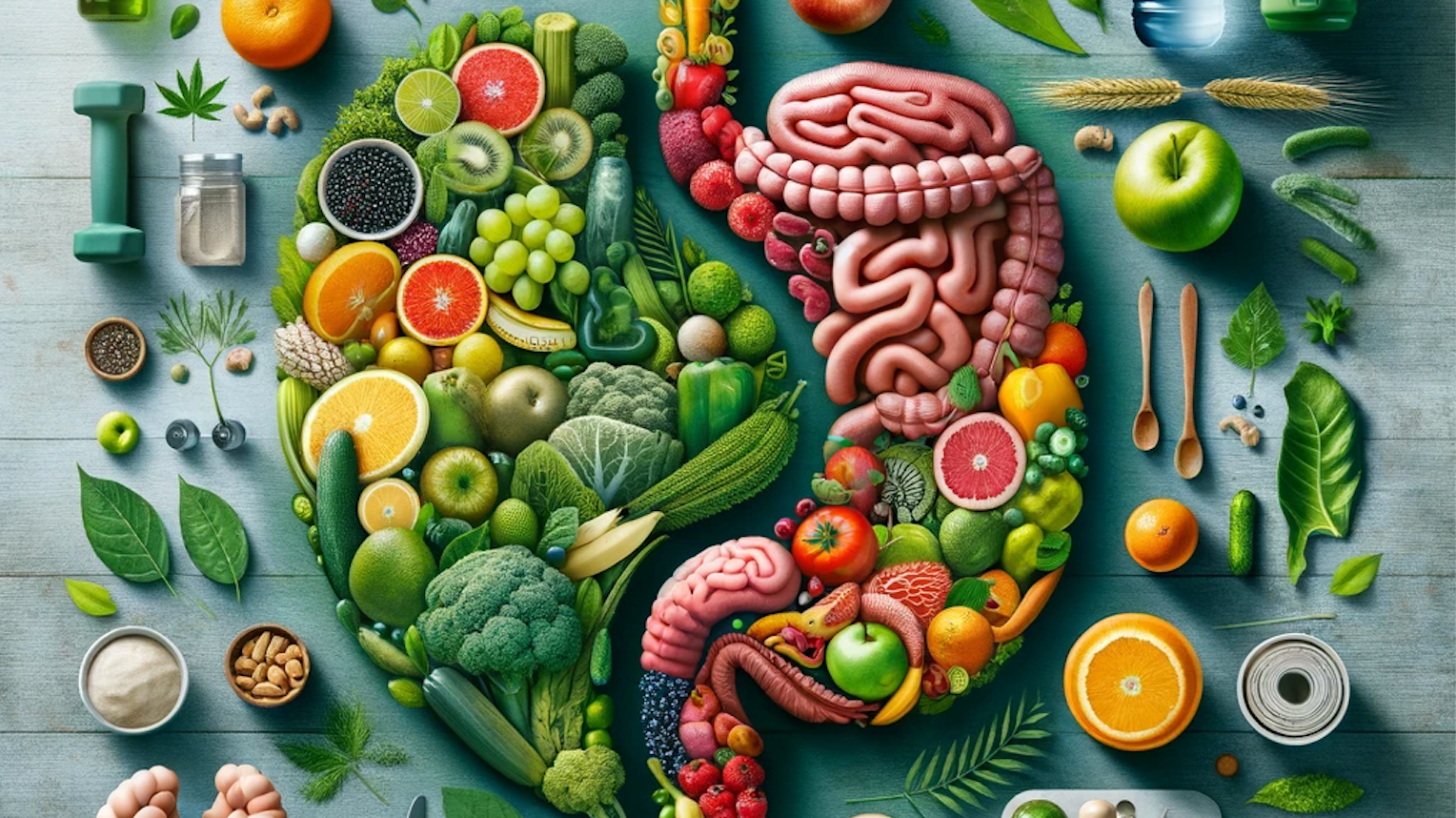
FOR OPTIMAL GUT HEALTH
You eat your vegetables, you add spinach to your smoothie, and you make sure to get your fiber in every day. You’re doing a lot of things right! But if you’re eating the same five or six plants on repeat, your gut is only getting a fraction of what it needs.
When it comes to your gut, variety beats volume every time.
One of my go-to experts on this topic is Dr. Will Bulsiewicz, known as Dr. B. He’s a board-certified gastroenterologist with research published in top medical journals and cited over 5,000 times. He’s also a three-time New York Times bestselling author, and his newest book, Plant Powered Plus, became an instant New York Times bestseller. I’ve taken his 6-week gut course, and I could listen to him forever… he combines deep, science-backed knowledge with a delivery style that’s clear, relatable, and funny.
Most of us think about fiber in terms of grams… how much we’re getting each day. But what if the real key isn’t how much you eat, it’s how many different plants you eat? That’s one of Dr. B’s core ideas, and the target is 30 different plant foods per week. Here’s why….
Your gut is an ecosystem, not just an organ.
Think of it this way: your gut is home to trillions of microbes, all belonging to different species, all doing different jobs. They need different fuel sources. If you feed them the same few foods every day, you’ll sustain life… but you won’t build a thriving ecosystem. When you start rotating through herbs, spices, legumes, fruits, vegetables, nuts, seeds, and whole grains, your gut comes alive with resilience and diversity.
So what exactly makes plants so powerful? According to Dr. B, it comes down to four key nutrients. I call them Your Gut’s Fab Four:
Your Gut’s Fab Four
1- Polyphenols
These are the compounds that give plants their rich, vibrant colors, and they do so much more than look pretty on your plate. About 90% of polyphenols reach the colon intact, where bacteria break them down into molecules that reduce inflammation, support gut function, and help regulate blood sugar. Eating a variety of polyphenol-rich plants essentially programs your gut microbes to produce their own anti-inflammatory compounds.
2 – Phytochemicals
Plants produce thousands of unique phytochemicals, each with specific effects on your microbes and overall health. Cruciferous vegetables like broccoli and kale contain sulforaphane, which helps detoxify harmful compounds and may suppress inflammation at the genetic level. Onions and garlic contain allicin, which selectively feeds beneficial bacteria while keeping harmful ones in check.
3 – Fiber
You already know fiber matters, but not all fiber is the same. Every plant has its own unique fiber structure, and different gut bacteria specialize in breaking down different types. When fiber reaches your colon, bacteria convert it into short-chain fatty acids (SCFAs), which reduce inflammation, strengthen your gut barrier, and support your immune system. If you only eat oats and broccoli, you’re feeding the microbes that love those particular fibers while leaving others hungry.
4 – Resistant Starch
This one flies under the radar. Resistant starch acts like a slow-release fiber, and you’ll find it in foods like green bananas, lentils, and cooked-then-cooled potatoes. It ferments deeper in the colon, reaching bacteria that the typical modern diet tends to neglect.
“Eat for Vitality taught me to eat smarter, not less. More plants, more variety, more energy.”
