
How Much Protein
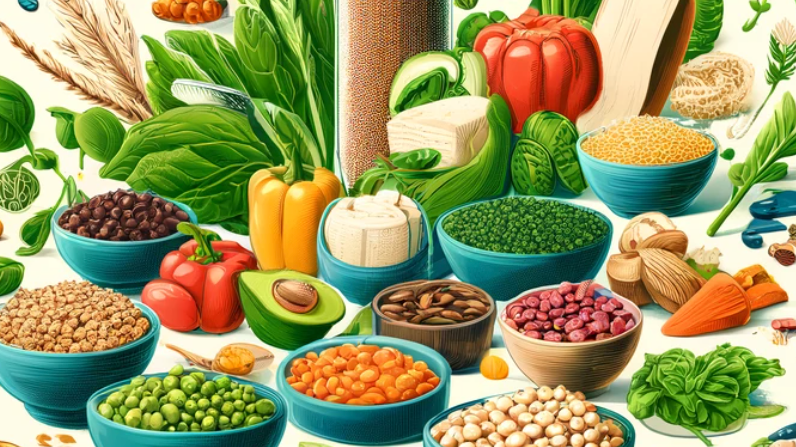
DO YOU REALLY NEED?
Protein is a must. In fact, it’s vital for the proper functioning of your body. Protein is essential for muscle growth and repair, and it’s also an important part of every cell and body tissue, including bones, organs, hair, nails, and skin.
As the years pass by, your body doesn’t absorb protein as well as when you were younger, and preserving lean body mass is essential for health and longevity as you age.
Here’s the bottom line: Aim to have 20-30 grams of protein in each of your meals. For most adults, a protein intake of 0.75 to 1 gram per pound of lean body weight is ideal. For example, a 130-pound person with 100 pounds of lean mass should consume 85-100 grams of protein daily to maintain lean body mass.
Keeping track of your protein intake starts with knowing what’s on your plate. Check out these protein-packed options below, or click through for the complete guide.
Plant-Based Protein Stars
When choosing plant-based proteins, variety is key for getting proper nutrients. Each plant protein brings its own unique nutritional profile of amino acids, essential fats, vitamins, and minerals.
-
Tempeh – 15 g protein per 1/2 cup
-
Tofu (firm) – 10 g per 1/2 cup
-
Edamame – 8.5 g per 1/2 cup
-
Lentils (cooked) – 9 g per 1/2 cup
-
Chickpeas (cooked) – 7.25 g per 1/2 cup
-
Black beans (cooked) – 7.5 g per 1/2 cup
-
Kidney beans (cooked) – 7.5 g per 1/2 cup
-
Pinto beans (cooked) – 7.5 g per 1/2 cup
-
Split peas (cooked) – 8 g per 1/2 cup
-
Quinoa (cooked) – 4 g per 1/2 cup
-
Hemp seeds – 10 g per 3 tbsp
-
Pumpkin seeds (pepitas) – 9 g per 1/4 cup
-
Chia seeds – 5 g per 2 tbsp
-
Flax seeds – 3 g per 2 tbsp
-
Almonds – 6 g per 1/4 cup
-
Peanut butter – 7–8 g per 1/4 cup
-
Peanuts – 9 g per 1/4 cup
-
Sunflower seeds – 7 g per 1/4 cup
-
Nutritional yeast – 8 g per 2 tbsp
-
Soy milk (unsweetened) – 7 g per 1 cup
Lean Protein Stars
When choosing animal proteins, aim for the highest quality, think organic, grass-fed meats and poultry, and cold-water fish that’s preferably wild-caught.
Here are the top lean animal protein options:
-
Chicken Breast (Skinless) – 26 g protein per 3 oz
-
Turkey Breast – 24 g per 3 oz
-
Tuna (Canned in Water) – 20 g per 3 oz
-
Salmon – 19 g per 3 oz
-
Cottage Cheese (Low-Fat) – 14 g per 1/2 cup
-
Tilapia – 21 g per 3 oz
-
Cod – 19 g per 3 oz
-
Halibut – 22 g per 3 oz
-
Shrimp – 20 g per 3 oz
-
Scallops – 17 g per 3 oz
-
Egg Whites – 3.5 g per egg white
-
Eggs (Whole) – 6 g per large egg
-
Greek Yogurt (Plain, Nonfat) – 17 g per 3/4 cup
-
Icelandic Yogurt – 17 g per 3/4 cup
-
Low-Fat Milk – 8 g per cup
-
Pork Tenderloin – 22 g per 3 oz
-
Top Round Steak (Lean Beef) – 23 g per 3 oz
-
Sirloin Steak (Lean) – 23 g per 3 oz
-
Bison (Lean) – 22 g per 3 oz
Eat More Plants Without Any Guesswork
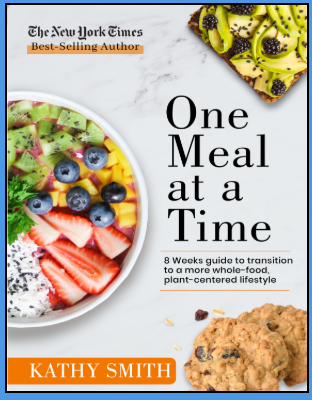
One Meal at a Time
• 8-week meal plan
• Breakfast, lunch, dinner
• Plant-based and traditional protein at every meal.
…and it’s easy to get started!
Today Only $14
Special Launch Price
400-page ebook • Access Instantly