
The grandkids burst through the door for the holidays, arms wide open and noses running. You hug them anyway…of course! Then, you spend the next three days wondering whether you’ll be the next one reaching for the tissues. But, while you’re thinking about the germs you’ve just been exposed to, your body is already hard at work.
Think of autophagy as an around-the-clock cleanup crew working behind the scenes.
2. It helps regulate inflammation. By clearing away damaged cellular material, autophagy helps regulate some of the pathways involved in your body’s inflammatory response.
When you eat, your body gets the message that energy and nutrients have arrived. Insulin and other nutrient signals rise, and your cells have plenty of outside fuel to work with.
As you go longer without food, those nutrient signals change. Your body begins shifting away from constant building and storage and toward maintenance processes, including pathways involved in autophagy.
This is one reason researchers are so interested in intermittent fasting.
Most of what scientists know about fasting and autophagy still comes from cell and animal research. Human research is growing, but we don’t yet know that there’s a magic number of fasting hours when your cellular cleanup suddenly switches on.
You don’t need to chase an extreme fasting schedule. A simple overnight break from eating can be a practical place to start.
3-Step Cellular Cleanup Plan
1. Aim for a 13-Hour Overnight Fast.
Try finishing dinner around 6:30 p.m. and eating breakfast around 7:30 a.m.
Thirteen hours isn’t a magic autophagy number. Instead, think of it as a gentle way to create a longer stretch without constant incoming calories.
There’s another benefit to eating earlier, too. Your body generally handles glucose better earlier in the day than it does late at night. An earlier dinner works with that natural daily rhythm while giving your body a substantial overnight break from food.
Most of the fast happens while you’re asleep, so it’s easier than it sounds.
2. Build Up 15 Minutes at a Time.
If you usually eat late into the evening, don’t suddenly overhaul your schedule.
Move dinner 15 minutes earlier, or push breakfast 15 minutes later, and let yourself adjust. Keep making small shifts until you’ve created the overnight window that works for you.
If a holiday dinner or night out changes the schedule, that’s okay. One late meal doesn’t erase anything. Simply return to your usual rhythm the next day.
3. Keep Your Fast Simple.
Water and sparkling water are easy choices between dinner and breakfast. Black coffee and unsweetened tea are also commonly included in fasting routines.
Once you add meaningful calories, you’re no longer in a strict fast and your body starts receiving nutrient signals again.
So if you love cream in your morning coffee, enjoy it with breakfast and let that mark the beginning of your eating window.
Tips That Make Fasting Easier
-
Eat more earlier in the day. You don’t have to force yourself to eat an enormous breakfast, but making breakfast or lunch one of your more substantial meals can make an earlier, lighter dinner much easier.
-
Build a satisfying dinner. Include protein, fiber-rich vegetables, and healthy fat, like salmon with roasted vegetables and olive oil. A balanced dinner can help you feel satisfied through the evening.
-
Take a short walk after dinner. Even 10 to 15 minutes of walking after a meal can help reduce the rise in blood sugar that follows eating. It also creates a natural transition between dinner and the rest of your evening.
-
Brush your teeth after dinner. It’s surprisingly effective. Think of it as your signal that the kitchen is closed for the night.
Your cells already know how to do the cleanup. You’re simply giving them a little less incoming traffic while they work.
|
Fasting...But Without Any Guesswork
Eat for Vitality combines time-restricted eating with a complete nutrition plan, so you know exactly what to eat during your eating window!
|
|
|
|
|
“I’m not hungry at night anymore, and the scale’s moving again.”
– Kelly
|
|
|
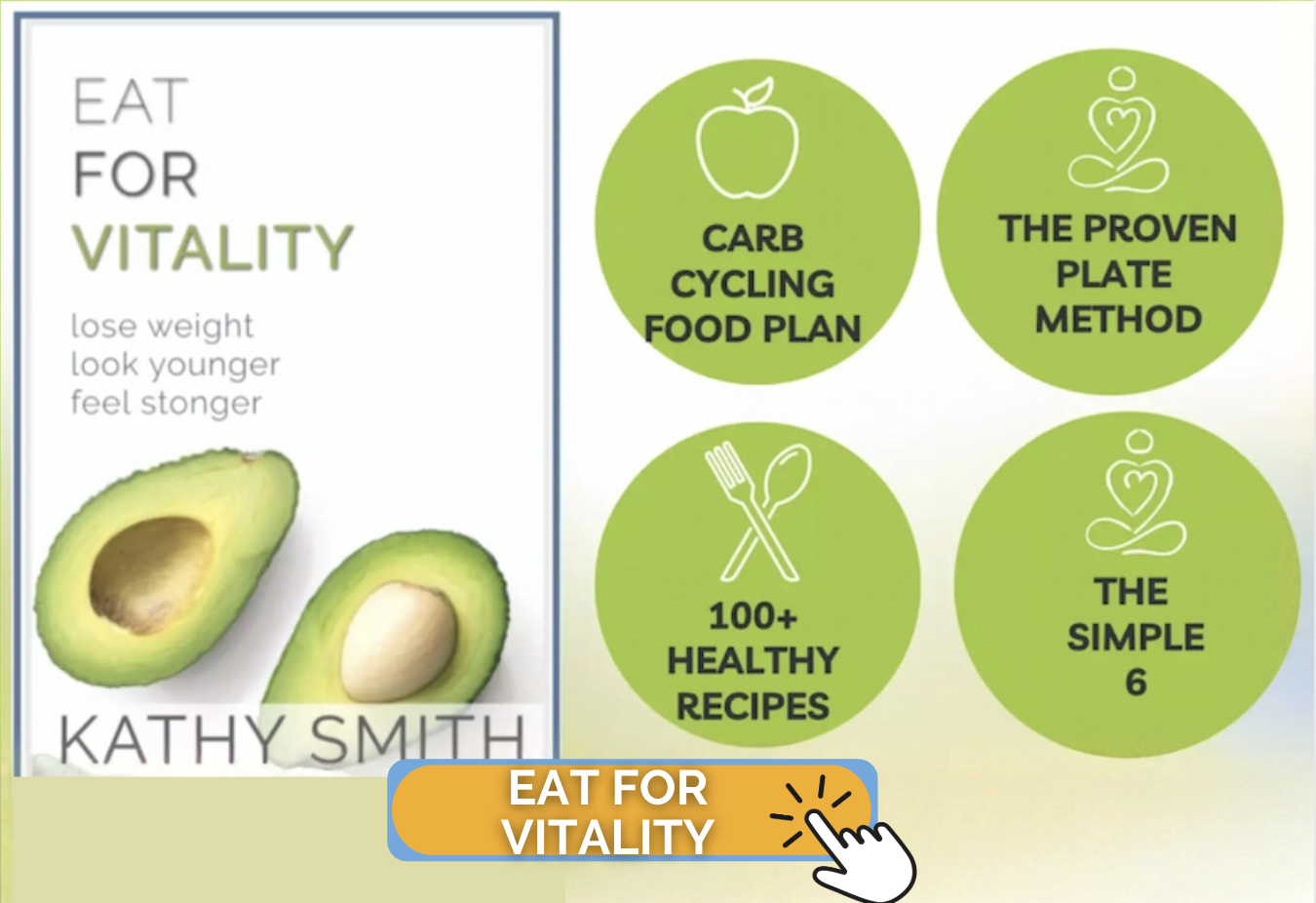
Inside this instantly accessible, 150-page e-book, you'll get structured daily meal guides and 100+ delicious recipes. Think protein-packed smoothies, colorful lunches, satisfying dinners, and even desserts! You'll also discover how to use carb cycling to strategically balance carbohydrates throughout your week, plus Simple 6 eating guidelines and Plate Method to help you build healthy habits that last. Your complete eating plan is delivered instantly, so you can start putting it into practice today! Here's What's Inside
|
|
|
Find Your Fasting Rhythm!
...Eat for Vitality is your complete guide to smart meal timing and delicious food.
|
|

|
|
| Eat for Vitality is value packed! Delivered instantly, this 150-page ebook is sent straight to your inbox. It will become your go-to healthy eating plan, packed with 100+ delicious recipes, daily meal guides, and mindset tools to help you feel your best! | |
|
“I lost 8.2 lbs in 14 days… and I’m still going!”
– Francine
|
|
|